

.svg)

.png)
PRACTICAL AI Marketing Solutions
Ready to work together?
Find out where AI can add measurable value to your marketing engine and fuel confident growth.
The biggest productivity revolution in history stalled for 30 years because people swapped one power source for another and changed nothing else. AI is following the same script.
Andy Mills
13/03/2026

Most teams are using AI to do the same work faster. The real gains come from redesigning the work entirely.
When electric dynamos first arrived in American factories in the 1890s, owners did something perfectly logical. They ripped out the steam engine, bolted an electric motor in its place, and kept everything else identical. Same factory floor. Same layout. Same workflows. Same management structure.
Productivity barely moved for three decades.
The gains only came when a new generation of factory owners realised electricity wasn't just a better steam engine. It was a reason to redesign the entire factory. Single-storey buildings replaced multi-storey ones. Assembly lines became possible. Machines could be placed wherever the workflow demanded, not wherever the central drive shaft reached.
The resistance wasn't technological. It was institutional. The people running the factories couldn't see the new design because they kept staring at the old one.
A new Anthropic research paper, published in March 2026 by economists Maxim Massenkoff and Peter McCrory, suggests we're repeating this mistake almost exactly with AI.

Massenkoff and McCrory built a chart comparing the percentage of tasks AI could theoretically automate in each profession against the percentage it's actually automating right now. The gap is enormous.
Office administration and technical roles show relatively high real-world AI adoption. But life sciences, healthcare, and social sciences show almost nothing, despite massive theoretical potential. The zone of possibility dwarfs the zone of reality.
This is the 2026 version of the Productivity Paradox. The technology is here. The integration is not.
For marketers, this should land hard. Most teams are using AI to write first drafts faster, generate image variants, or summarise reports. That's the equivalent of bolting an electric motor onto a steam-era factory floor. The structure hasn't changed. The org chart hasn't changed. The approval workflows haven't changed.
You've swapped in a new power source and called it transformation.
The data says the gains from genuine redesign are still sitting uncollected. That's either a warning or an opportunity, depending on how quickly you move.

I see this pattern constantly in the teams I work with.
They'll tell me they've "adopted AI." And when I dig into what that means, it's almost always the same thing. Someone on the team uses ChatGPT to draft copy. Maybe they've got an image generation tool for social assets. Perhaps there's a summarisation workflow for meeting notes.
All useful. None of it redesign.
Redesign means asking a different question. Not "how can AI make this task faster?" but "would we build this team, this process, this workflow this way if we were starting from scratch today, with AI as a foundational layer?"
That's a harder question. It challenges org structures, job descriptions, approval chains, and budgets. Which is exactly why most teams avoid it.
When I built my own content pipeline, the first version was pure substitution. I used AI to help write drafts faster. It saved time, but the process was still the same: research manually, write with AI assistance, edit, publish. Each step done by me, just slightly quicker.
The real shift came when I redesigned the workflow itself. Research, writing, illustration, and publishing became a coordinated system that runs as an automated pipeline. Not "AI helps me write." Instead, "AI runs a structured editorial process that I steer." The output quality went up. The time commitment went down. But more importantly, the entire operating model changed.
That's the difference between substitution and redesign. One saves you an hour. The other changes what's possible.
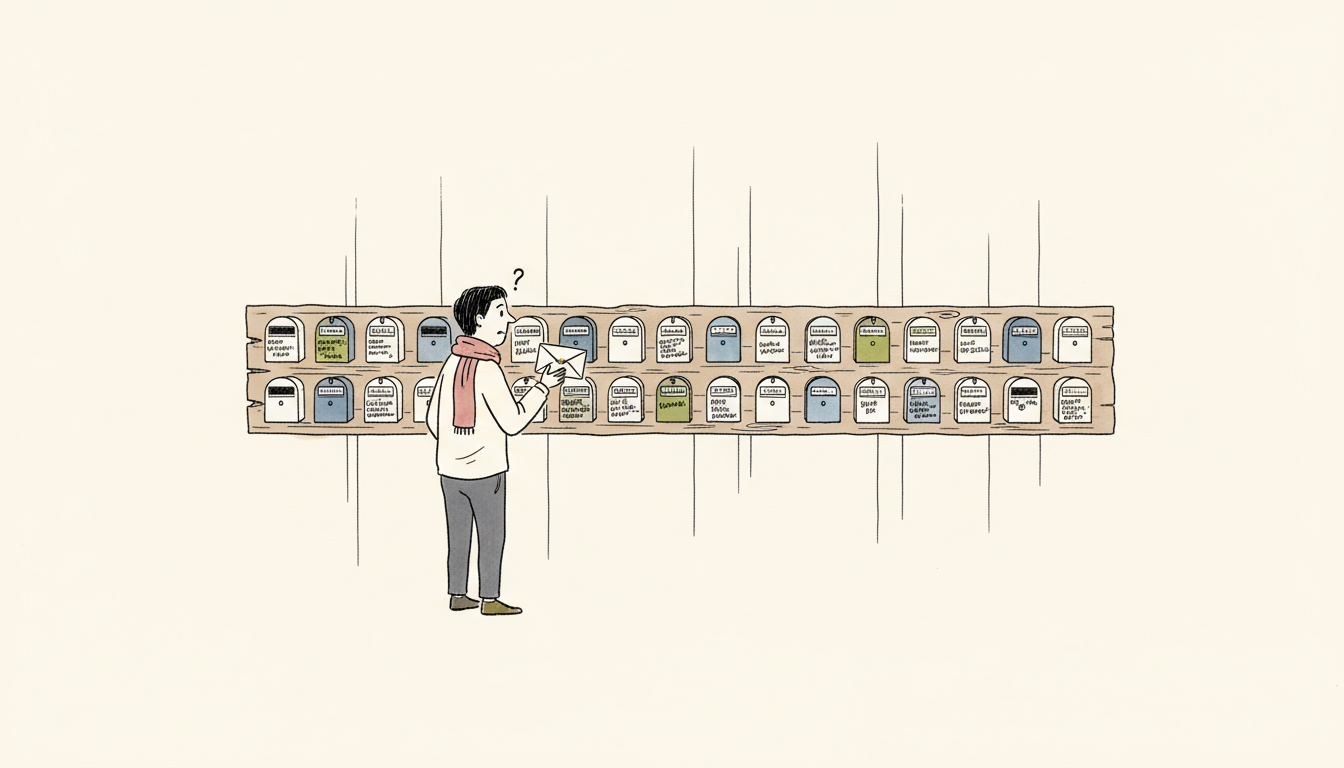
While most marketing teams are still debating which AI tool to add to their stack, the platforms they depend on have made a more fundamental move. They're not bolting AI onto existing features. They're rebuilding the workflow layer around it.
Meta took its Manus AI acquisition and built autonomous agents directly into Ads Manager. Not a separate tab. Inside the interface you already use, handling multistep tasks like market research and campaign analysis without requiring you to switch contexts.
Anthropic's enterprise plugins connect Claude directly to Excel, PowerPoint, Google Drive, and Gmail. The critical detail: Claude doesn't return instructions for a human to execute. It completes the actions itself.
These aren't productivity features. They're architectural changes. The platforms are redesigning their factories. The question is whether you're redesigning yours, or still bolting motors onto the old floor plan.
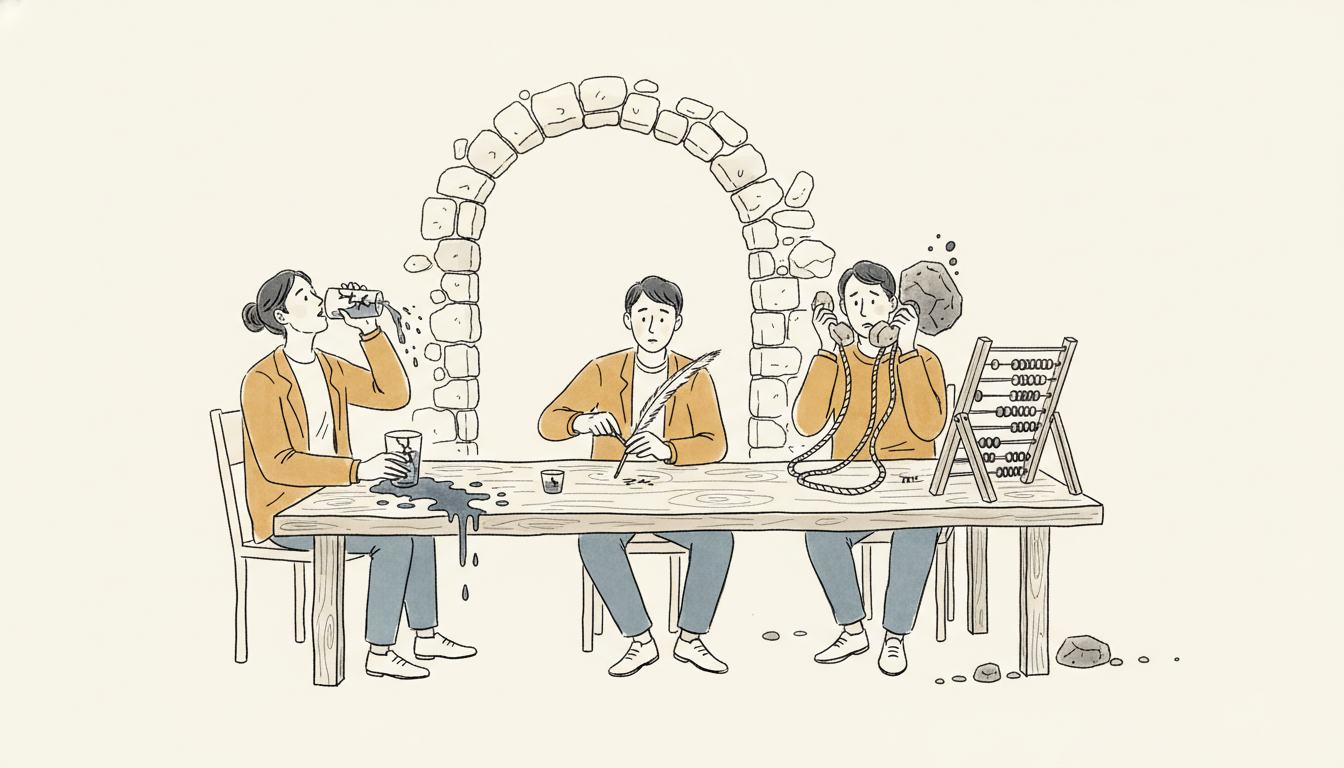
The strongest objection to all of this is simple. Maybe the gap between theoretical and observed AI impact exists because the technology isn't ready for deep integration yet. Models hallucinate. Agents make mistakes. Enterprise deployments are messy.
There's truth in that. Some high-profile "AI transformations" have been more PR than substance. Consumer trust in AI sits at just 13% despite 60% weekly usage. The cautious approach of bolting AI onto existing workflows might be the rational one for now.
But the history of electrification answers this precisely. The technology wasn't "ready" in 1895 either. What made it ready wasn't better dynamos. It was factory redesign, new management practices, and a generation of builders who stopped asking "how do we use electricity to do what we already do?" and started asking "what can we do now that we couldn't before?"
No single piece was complete on its own. Together, they were transformative.
Waiting for perfection before redesigning is exactly the mistake that kept factory owners stuck for three decades. The convergence is already underway. Embedded agents inside ad platforms. Enterprise plugins that execute autonomously. AI Overviews reshaping how people discover content. You don't need every piece to be perfect to start rethinking the architecture.
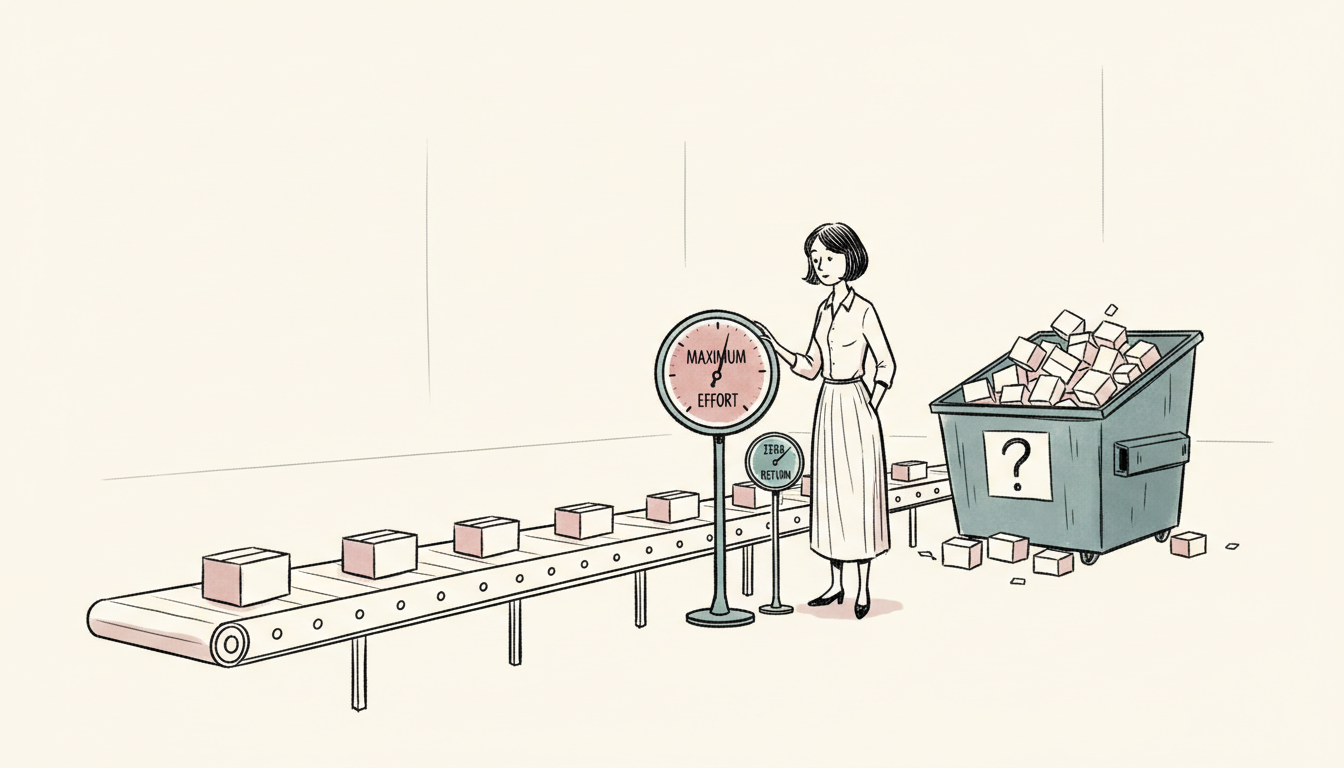
Stop asking "where can we use AI?" Start asking "what would this team look like if we built it to be AI native?"
Three concrete moves.
Audit for substitution. Map every place your team currently uses AI. For each one, ask: did we change the workflow, or did we just make the old workflow faster? If the answer is faster, the gains from redesign are still available.
Pick one workflow to rebuild, not optimise. Don't try to redesign everything at once. Choose one process, your content pipeline, your reporting cycle, your campaign build, and ask what it would look like if AI were a foundational layer, not an add-on. Rebuild that one thing properly.
Restructure content for citation, not just ranking. AI Overviews and LLM-based discovery reward authority, structure, and content that AI systems can confidently reference. This isn't about SEO tweaks. It's about rethinking what your content is designed to do in a world where machines are increasingly the ones reading it first.
The window for structural advantage is open. The Anthropic data shows most organisations haven't walked through it yet. History tells us exactly what happens to the ones that wait. They don't disappear overnight. They just slowly discover they're competing against teams that operate at a completely different speed.
And by the time that's obvious, the redesign is no longer an advantage.
It's a survival requirement.